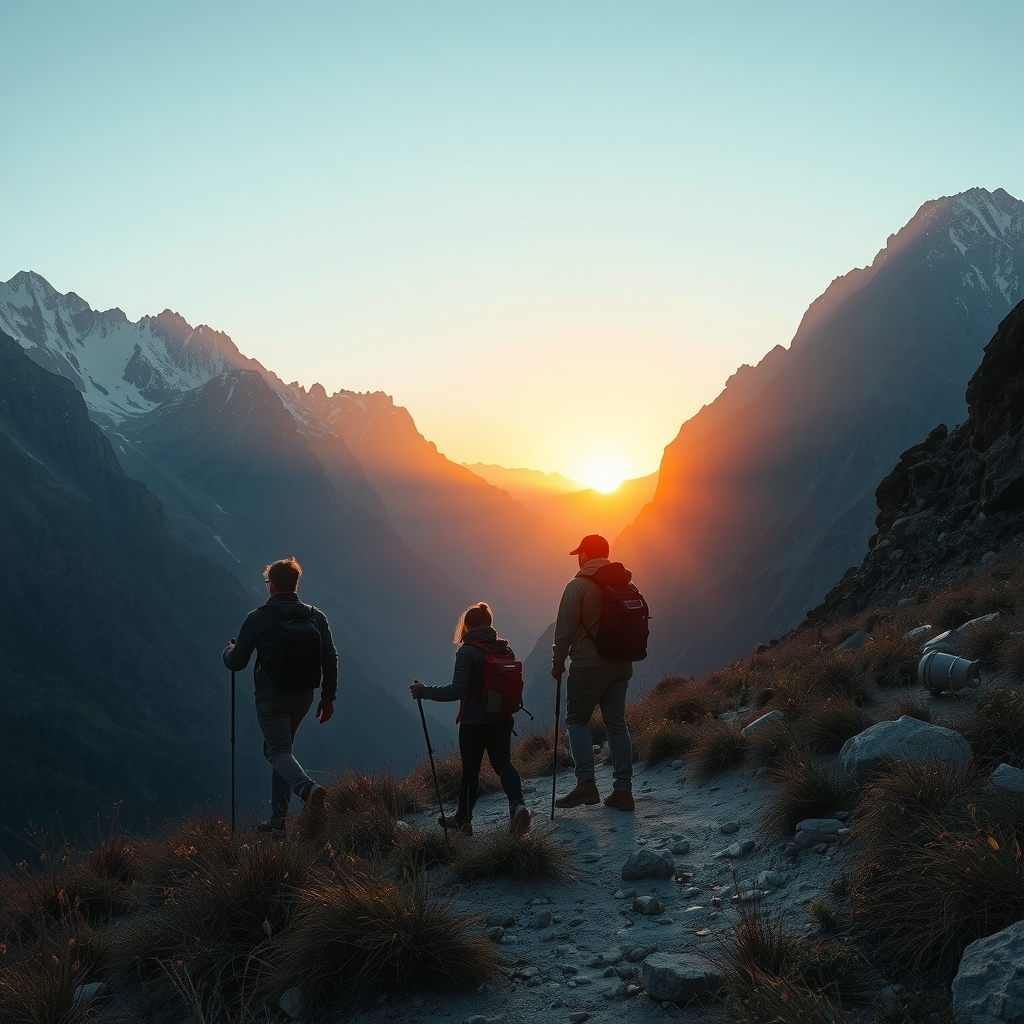
The landscape of adventure travel is undergoing a remarkable transformation. Today's explorers are no longer satisfied with conventional sightseeing tours and predictable itineraries. Instead, they're seeking deeper connections, authentic experiences, and meaningful encounters that challenge them physically, mentally, and culturally. This shift represents a fundamental change in how people approach travel and what they hope to gain from their journeys.
As we analyze current trends in adventure tourism, it becomes clear that modern travelers are prioritizing quality over quantity, depth over breadth, and authenticity over comfort. They're willing to venture further off the beaten path, embrace uncertainty, and immerse themselves in local cultures in ways that previous generations of travelers rarely considered.
The Rise of Authentic Cultural Immersion
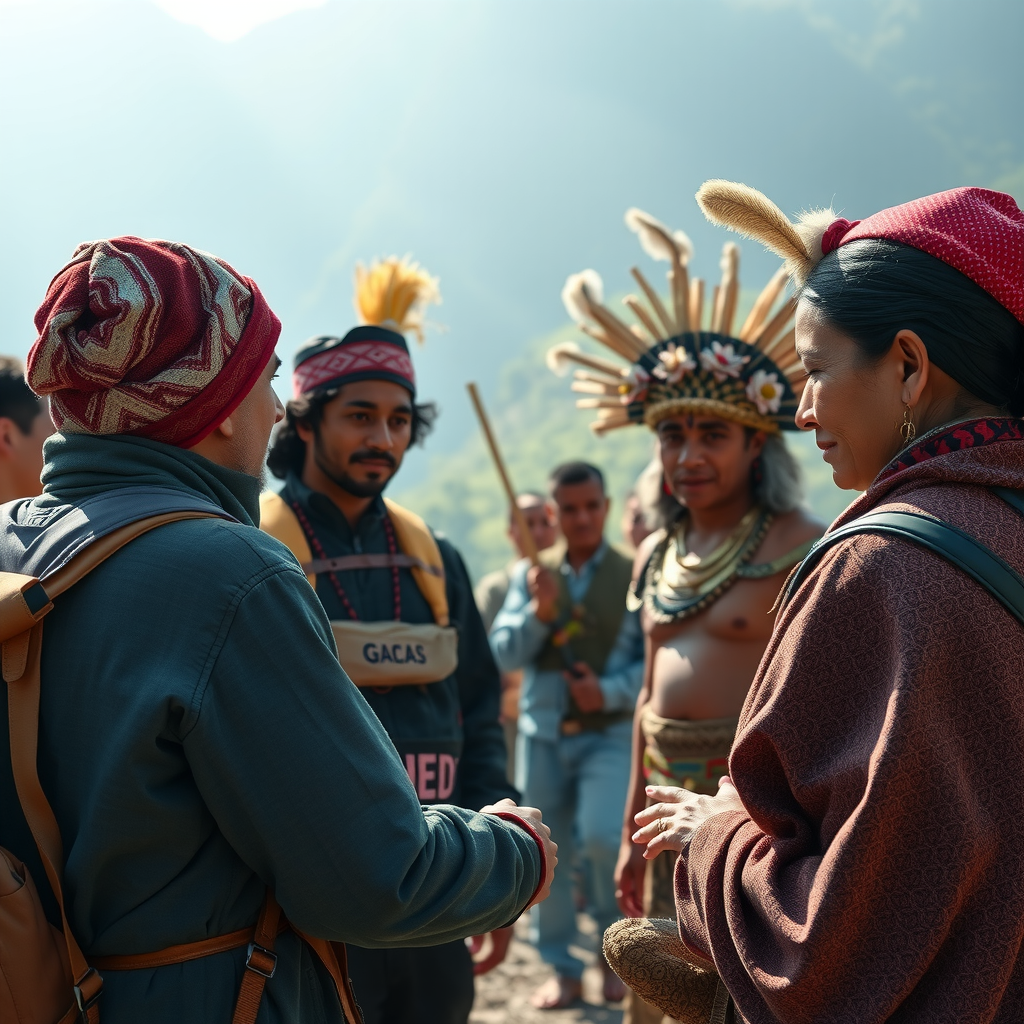
One of the most significant trends in adventure travel is the growing demand for genuine cultural immersion experiences. Modern explorers are moving beyond surface-level tourist attractions to engage deeply with local communities, traditions, and ways of life. This shift reflects a desire to understand the world not as passive observers but as active participants in the cultural tapestry of the places they visit.
Travelers are increasingly seeking opportunities to stay with local families, participate in traditional ceremonies, learn indigenous crafts, and contribute to community development projects. These experiences offer insights that no guidebook or museum can provide, creating lasting memories and fostering cross-cultural understanding that extends far beyond the duration of the trip.
Mountain Trekking: Beyond the Summit
Mountain trekking remains one of the most popular forms of adventure travel, but the motivations and approaches have evolved significantly. Today's trekkers are less focused on conquering peaks and more interested in the journey itself. They seek routes that offer not just physical challenges but also opportunities for personal reflection, environmental awareness, and connection with mountain communities.
Key Insight:Modern mountain trekkers prioritize sustainable practices, often choosing routes that support local economies and minimize environmental impact. They're willing to spend more time acclimatizing, engaging with local guides, and learning about the ecosystems they traverse.
Popular Mountain Trekking Destinations
Himalayan Trails
Remote valleys in Nepal, Bhutan, and northern India offer challenging treks combined with Buddhist monastery visits and interactions with Sherpa communities. Travelers appreciate the spiritual dimension these journeys provide alongside physical achievement.
Patagonian Wilderness
The dramatic landscapes of Chilean and Argentine Patagonia attract adventurers seeking pristine wilderness experiences. Multi-day treks through Torres del Paine and Los Glaciares national parks combine stunning scenery with wildlife encounters and gaucho culture.
African Mountain Ranges
Beyond Kilimanjaro, explorers are discovering the Rwenzori Mountains, Ethiopian Highlands, and Atlas Mountains. These destinations offer unique cultural experiences alongside challenging terrain and diverse ecosystems.
European Alpine Routes
Classic routes like the Tour du Mont Blanc are being reimagined with emphasis on sustainable tourism, local cuisine, and cultural heritage. Trekkers appreciate the combination of well-maintained trails and authentic mountain village experiences.
Wildlife Encounters: Ethical and Meaningful
The approach to wildlife tourism has undergone a profound transformation. Modern adventure travelers are highly conscious of ethical considerations and seek experiences that prioritize animal welfare and conservation. They're moving away from exploitative attractions toward responsible wildlife encounters that contribute to preservation efforts and support local conservation initiatives.
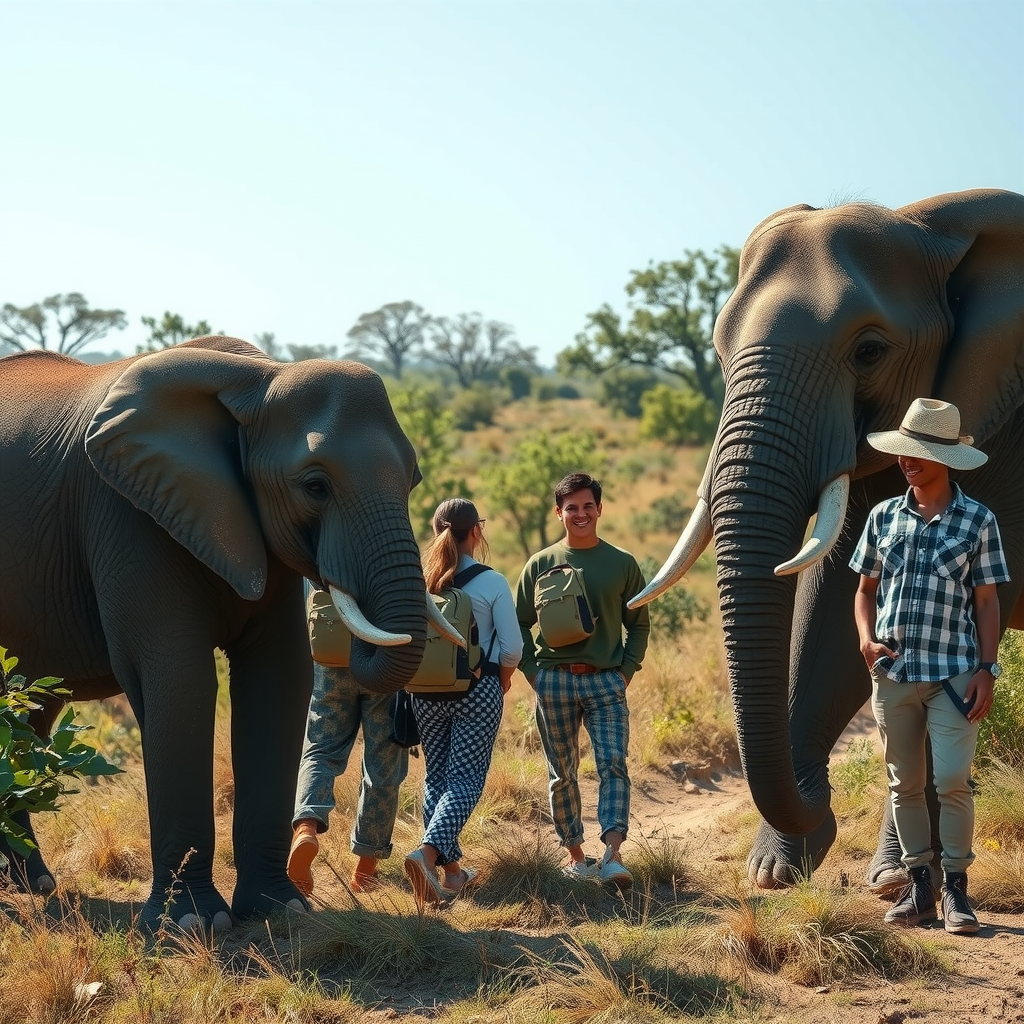
Safari experiences in Africa, gorilla trekking in Uganda and Rwanda, whale watching in Iceland and New Zealand, and bird watching expeditions in Costa Rica and Ecuador are among the most sought-after wildlife adventures. What sets modern wildlife tourism apart is the emphasis on education, conservation participation, and minimal environmental impact.
Emerging Wildlife Tourism Trends
- Conservation Volunteering:Travelers are dedicating portions of their trips to hands-on conservation work, from sea turtle protection to wildlife monitoring programs.
- Photography-Focused Expeditions:Specialized tours led by professional wildlife photographers teach ethical photography practices while capturing stunning images.
- Marine Wildlife Experiences:Snorkeling and diving trips focused on coral reef conservation, shark research, and marine mammal observation are gaining popularity.
- Nocturnal Wildlife Tours:Night safaris and specialized tours revealing the hidden world of nocturnal species offer unique perspectives on ecosystems.
- Citizen Science Programs:Travelers contribute to scientific research by collecting data, identifying species, and participating in monitoring projects.
The Quest for Authentic Local Experiences
Perhaps the most defining characteristic of modern adventure travel is the pursuit of authenticity. Travelers are actively seeking experiences that connect them with the genuine essence of a destination, far removed from tourist-oriented attractions and commercialized activities. This trend reflects a deeper desire for meaningful travel that enriches both the visitor and the visited community.
Authentic experiences might include learning traditional cooking techniques from local chefs, participating in agricultural activities with farming families, attending local festivals and celebrations, or exploring neighborhoods where tourists rarely venture. These encounters provide insights into daily life, cultural values, and social dynamics that transform travel from mere sightseeing into genuine cultural exchange.
Traveler Perspective:"The most memorable moments from my travels aren't the famous landmarks I visited, but the afternoon I spent learning to make pasta with an Italian grandmother, the morning I helped harvest coffee beans in Colombia, and the evening I joined a family dinner in rural Vietnam. These authentic connections changed how I see the world." - Sarah Chen, Adventure Traveler
Sustainable and Responsible Adventure Tourism
Environmental consciousness has become a non-negotiable aspect of modern adventure travel. Today's explorers understand that the pristine environments they seek to experience are fragile and require protection. This awareness has led to a significant shift toward sustainable travel practices and support for eco-friendly tourism operators.

Key Sustainability Practices
- Carbon Offset Programs:Travelers are increasingly choosing operators that offset carbon emissions and contribute to reforestation projects.
- Plastic-Free Travel:Adventure tourists prioritize destinations and operators committed to eliminating single-use plastics.
- Local Economic Support:Preference for locally-owned accommodations, guides, and services ensures tourism benefits reach communities directly.
- Leave No Trace Principles:Strict adherence to environmental ethics, including proper waste disposal and minimal impact camping.
- Wildlife Protection:Support for anti-poaching efforts, habitat conservation, and ethical wildlife viewing practices.
- Cultural Preservation:Respect for sacred sites, traditional practices, and indigenous knowledge systems.
The Role of Technology in Modern Adventure Travel
While adventure travel emphasizes disconnection from daily routines, technology plays an increasingly important role in enhancing safety, navigation, and documentation. Modern explorers leverage GPS devices, satellite communicators, weather apps, and translation tools to navigate remote areas more safely while maintaining the spirit of adventure.
Social media and travel blogs have also transformed how people discover and share adventure experiences. However, there's a growing awareness of the need to balance digital documentation with present-moment awareness. Many travelers are adopting "digital detox" periods during their adventures, using technology strategically rather than allowing it to dominate their experiences.
Small Group and Solo Adventure Travel
The trend toward smaller group sizes reflects a desire for more intimate, flexible, and personalized experiences. Adventure travelers increasingly prefer groups of 6-12 people rather than large tour buses, allowing for deeper connections with fellow travelers and more meaningful interactions with local communities.
Solo adventure travel has also seen remarkable growth, particularly among women. Improved safety measures, specialized solo travel operators, and online communities have made independent exploration more accessible and appealing. Solo travelers appreciate the freedom to set their own pace, make spontaneous decisions, and fully immerse themselves in new environments.
Multi-Activity Adventure Packages
Modern adventure travelers often seek diverse experiences within a single trip. Multi-activity packages that combine trekking, kayaking, cycling, wildlife viewing, and cultural activities are increasingly popular. These comprehensive adventures allow travelers to experience destinations from multiple perspectives while maintaining a cohesive narrative throughout their journey.
For example, a trip to New Zealand might include hiking the Milford Track, kayaking in Abel Tasman National Park, learning about Maori culture, and cycling through wine country. This variety keeps experiences fresh and engaging while providing a well-rounded understanding of the destination.
The Future of Adventure Travel
As we look ahead, several emerging trends are likely to shape the future of adventure tourism. Climate change awareness is driving interest in "last chance tourism" to threatened environments, though this raises ethical questions about the impact of increased visitation. Virtual reality and augmented reality technologies may offer new ways to preview and enhance adventure experiences without increasing environmental pressure.
Regenerative tourism, which goes beyond sustainability to actively improve destinations, is gaining traction. Adventure travelers are increasingly seeking opportunities to leave places better than they found them through conservation work, community development projects, and cultural preservation efforts.
Looking Forward:The adventure travel industry is evolving to meet the demands of conscious, curious, and committed explorers who view travel as a means of personal growth, cultural understanding, and positive global impact. The future belongs to experiences that challenge, educate, and inspire while respecting both people and planet.
Conclusion: The New Era of Meaningful Exploration
The transformation of adventure travel reflects broader shifts in how people seek meaning, connection, and purpose in their lives. Modern explorers understand that true adventure isn't just about adrenaline and exotic locations—it's about stepping outside comfort zones, engaging authentically with different cultures, and returning home with expanded perspectives and deeper appreciation for our diverse world.
As adventure tourism continues to evolve, the emphasis on authenticity, sustainability, and meaningful connection will only grow stronger. Travelers who embrace these values find that their adventures become not just memorable vacations but transformative experiences that shape their worldview and inspire positive change in their own communities.
Whether trekking through mountain ranges, encountering wildlife in their natural habitats, or immersing themselves in unfamiliar cultures, today's adventure travelers are writing a new chapter in the story of human exploration—one that honors both the thrill of discovery and the responsibility of global citizenship.